Industrial Automation and Robotic Solutions
ROBONIC
About us Contact us
Services provide by ROBONIC
- Industrial RoboticsDesign, simulation and implementation of robotic lines, repair of industrial robots, etc.
- Industrial automation and special machine buildingDesign and manufacture of special machines tailored to customer needs
- ElectronicsAdvanced electronic and power electronic circuit design



ROBONIC Products
For more information contact us




FAQ
What is an Industrial Robot?
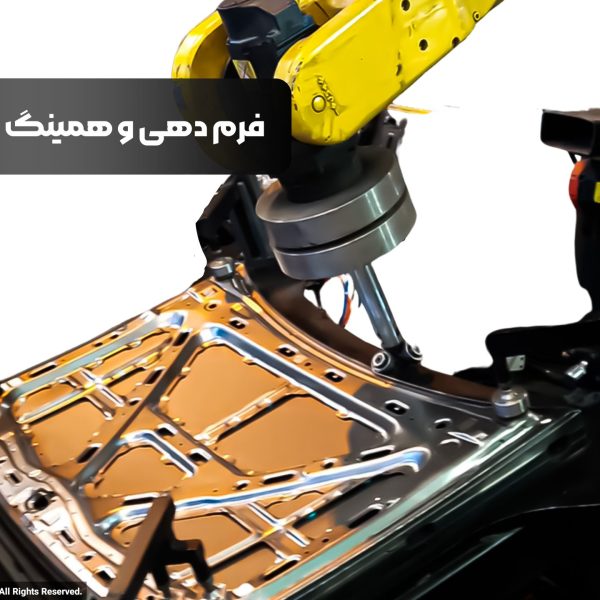
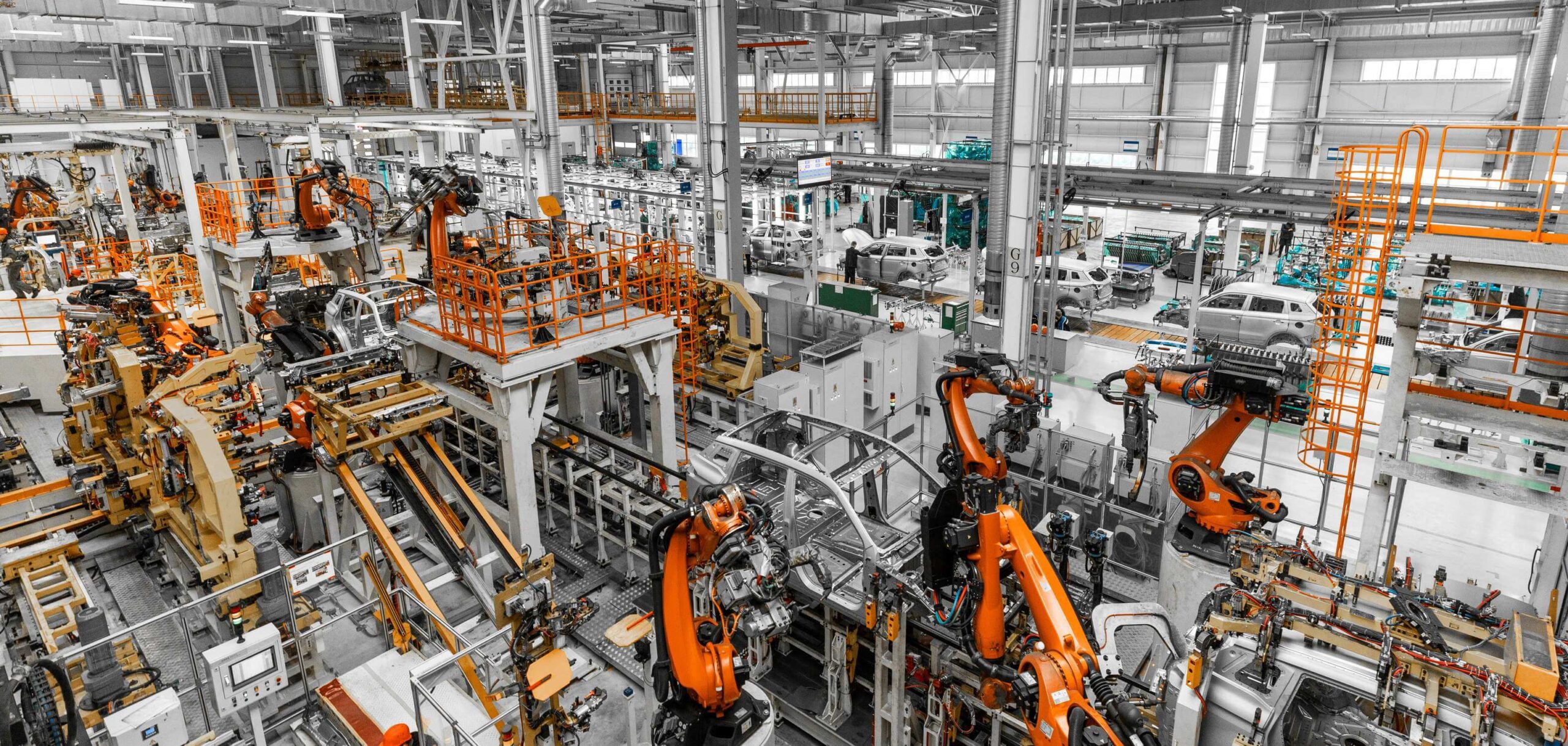
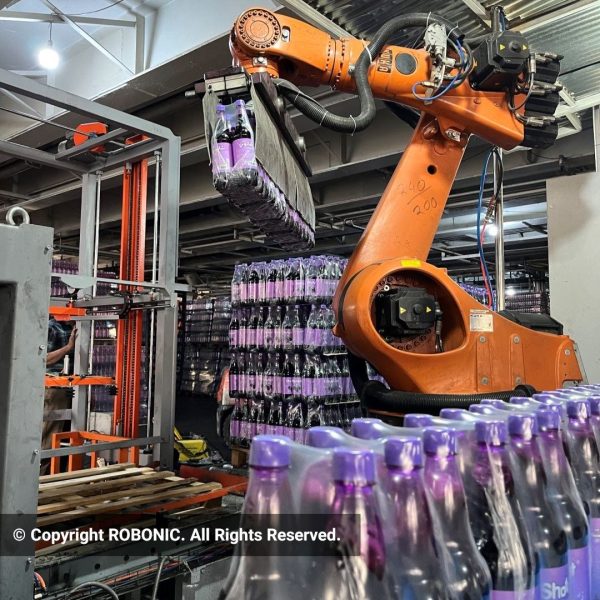
Industrial robots are automated machines that are programmable and designed to perform various tasks in manufacturing and industrial environments. These robots can perform tasks such as welding, painting, packaging, and assembly with high precision and speed. Their main goal is to increase productivity and reduce production costs.
Is an industrial robot the same as a robotic arm?
Robotic arms, such as 6-axis arms, are among the most well-known types of industrial robots, but they are not the only ones. Delta robots, SCARA robots, collaborative robots, autonomous mobile robots (AMR), etc. are also considered industrial robots. Each of these robots has its own characteristics and applications and is used depending on the needs of different industries.
These nomenclature and categories may vary among different brands of industrial robots.
What are the most common industrial robot brands in the world?
Some of the most common industrial robots in the world’s markets are products from ABB (Switzerland and Sweden), KUKA (Germany), Fanuc (USA and Japan), Yaskawa (Japan), Hyundai (South Korea), and Kawasaki (Japan).
Is there a difference between academic robotics (school and university research) and industrial robotics?
Yes, there are major differences between academic robotics and industrial robotics!
Academic robotics is more about researching and learning about new technologies and aims to make scientific advances. But industrial robotics is about the practical use of robots in factories and industries, seeking to improve efficiency and reduce costs. In other words, academic robotics thinks about new innovations, while industrial robotics tries to apply these innovations and use them in the real world.